

Most people think investing is only for the rich, but not anymore. For Americans new to invest, you can get started for as little as $100. With modern investing apps, fractional shares and low-fee investment options, small amount investing is easier than ever.
When you’re learning how to invest $100 as part of a larger overall investment strategy, it’s the first step toward building long-term wealth. Even a modest investment can translate into larger amounts over time with the help of compound interest and wise choices. It is not how much money you start with, but when you start.
For beginners, investing with little money can help you learn how the market works, manage risk and develop good financial habits. In this guide, you will discover that there are easy and safe investment opportunities to get started with as a beginner, without requiring being knowledgeable about complex finance or having a large income.
- Can You Really Invest With Just $100?
- What Does Investing Mean for Beginners?
- Is $100 Enough to Start Investing?
- Things to Know Before Investing Your First $100
- Best Ways to Invest $100 for Beginners
- Where Can Beginners Invest $100 in the USA?
- Low-Risk vs High-Risk Investment Options
- Common Mistakes Beginners Make When Investing $100
- How Long Should You Stay Invested With $100?
- How to Grow $100 Into More Money Over Time
- Is Investing $100 Worth It? (Realistic Expectations)
- Tips to Stay Consistent as a Beginner Investor
- Set a Regular Investment Schedule
- Start Small and Gradually Increase
- Automate Your Investments
- Focus on Long-Term Goals
- Track Your Progress
- Avoid Emotional Decisions
- Takeaway:
- Can beginners lose money investing $100?
- Which one is the safest investment for beginners?
- Can I invest $100 monthly?
- Is investing better than saving?
- Final Thoughts: Your First Step Toward Investing
Can You Really Invest With Just $100?

A lot of people think you need to have thousands and thousands of dollars in order to invest — but that’s a myth. In fact, you can start investing with as little as $100 through a number of modern investment platforms, apps and tools designed for beginners.
Starting small has several advantages:
Learning Without Risking Too Much
By investing as little as $100, you can see how the investment process works, what stocks, ETFs or mutual funds are all about, and make some mistakes without it being expensive.
Harnessing the Power of Compounding
A small amount, $100, can turn into a lot if invested properly and time marched on. Your returns compound: The return you get one year produces returns in subsequent years, so that growth is super-charged over time.
Access to Fractional Shares
Many platforms these days let you buy fractional shares, which means you can invest in expensive stocks like Amazon, or Tesla, or Google even if you don’t have enough money to purchase a whole share.
Building Good Financial Habits
Getting started with small investments also helps you to develop discipline and consistency — the two ingredients of wealth.
Bottom Line: $100 might seem small, but it’s not about the size of the amount — it is about taking that first step. Every millionaire investor had to start somewhere, and the younger you are when you start, the more time is on your side.
What Does Investing Mean for Beginners?

Investing can sound intimidating, especially if you’re just starting out in your career and have never managed a portfolio before. At its core, investing is just putting your money to work so that it can grow on its own.
Whereas saving requires your cash to sit in a low-interest bank account, with investing, your money can ideally grow over time by participating in businesses, stocks, funds and other financial instruments.
Key Points for Beginners:
Investing vs. Saving
Saving: Your money is kept in a bank account, typically for short-term use or emergencies. It’s slow to emerge, but one that is assuredly growing.
Investing: You allocate some of your money to assets such as stocks, ETFs or mutual funds. But that risk has its own upsides.
The Goal of Investing
Ultimately, your goal should be to grow your wealth over time, not just protect it. That might involve beginners buying small amounts of stocks or funds and letting them compound over the years.
RiskandReward
Every invesrot comes with risk. The object of funds vary; some are safer with smaller returns, and others are riskier but could yield larger profits. For shy rookies, mastering this balance is key.
Starting Small is Okay
Starting doesn’t require a lot of money. You can start learning the basics and developing financial discipline early with as little as $100.
Bottom Line: It’s not how much money you have, its what you do with it that counts…and let grow over time..
Is $100 Enough to Start Investing?

Some new traders question whether $100 is even worth investing because trading fees could potentially eat away the profits. This is a big YES! Thanks to modern investing platforms, apps and tools, you don’t need a ton of money to start getting started making your money grow.
Why $100 is Enough:
Access to Fractional Shares
Today, you don’t have to buy a whole share of luxurious companies like Amazon or Tesla. Thanks to fractional shares, you can invest in a slice of a stock, so $100 is more than enough to start building up your diversified portfolio.
Compound Growth Works Over Time
$100 isn’t a lot to start with, but compound interest can turn it into quite a stash over the years. Over time, small contributions can add up to sizable wealth.
Learning Opportunity Without Large Risk
Putting $100 to work is a low-risk approach, an opportunity for the prospective investor to learn more about the markets and how it can potentially make your money grow. You can afford to make mistakes at this stage and you gain experience without investing too much.
Encourages Good Financial Habits
The real benefit of starting with $100 is that it helps beginners get into the habit of investing regularly, monitoring their investments, as well as learning about how they grow over time—the skills are more valuable than the initial amount.
Takeaway: Investing doesn’t take thousands of dollars. A hundred dollars is ample to get started learning, growing and developing an investing platform for long-term wealth building. The most crucial step is to just get started early and stick with it.
Things to Know Before Investing Your First $100
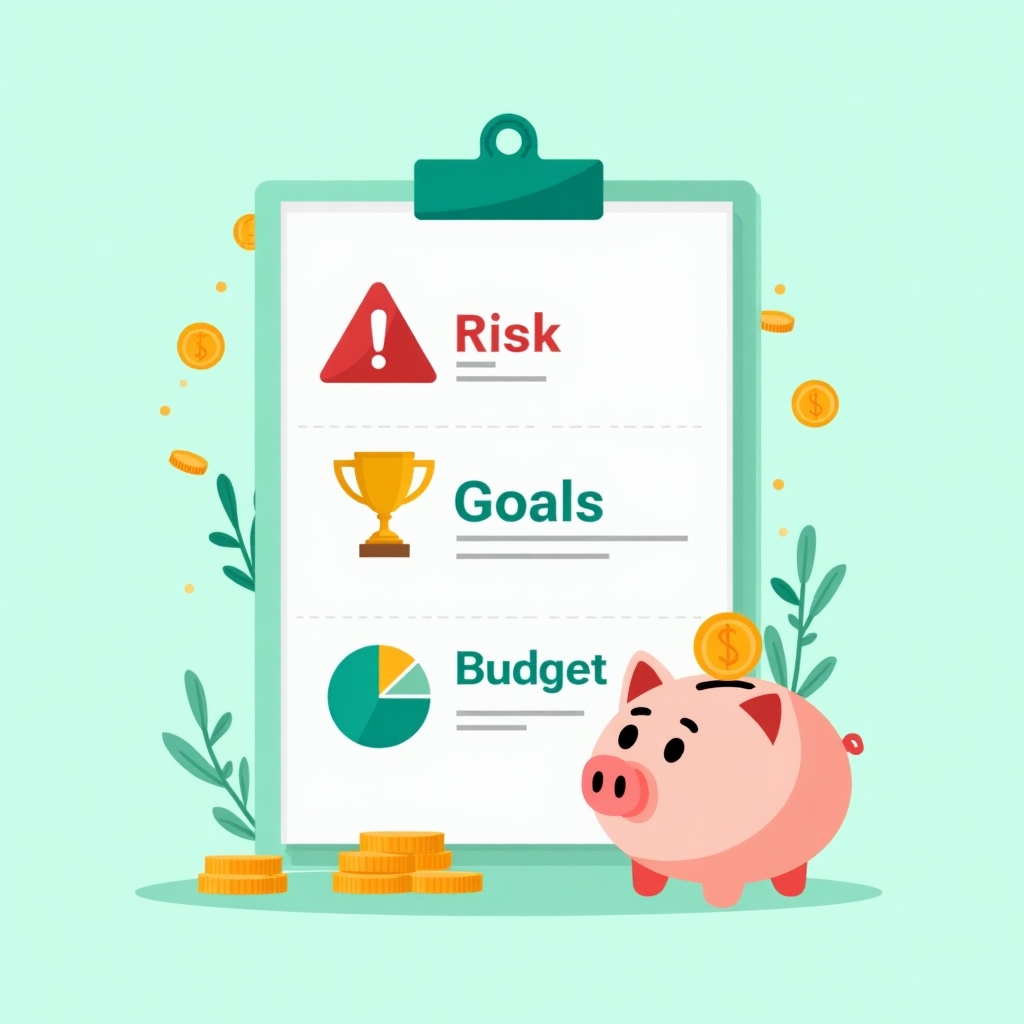
New traders may even ask if “$100” is worth starting with, especially when trading fees could cut into gains. The answer is a big YES! Thanks to slick new investing platforms, apps and tools, you don’t need a fortune to get into the game of growing your money.
Why $100 is Enough:
Access to Fractional Shares
You don’t need to purchase an entire share of such companies as Amazon or Tesla. Fractional shares allow you to invest in less than a full share of stock, meaning $100 is sufficient to start building a diversified portfolio.
Compound Growth Works Over Time
A hundred dollars may sound small, but when it compounds for years, it grows into something significant. Regularly contributing can even be relatively easy, once you automate it and contribute what might amount to small sums over time.
Learning Opportunity Without Large Risk
Spending $100 this way is a low-risk venture where you can learn about markets and investment strategies. Mistakes at this stage are controllable, and give you experience without costing you too much money.
Encourages Good Financial Habits
“At $100, you have beginners starting to invest on a regular basis and monitoring their investments themselves,” he said in an interview Monday. “Over time, it promotes the growth of money.” And these qualities are more precious than just the sum itself.
Takeaway:
It doesn’t have to be thousands of dollars that you need to begin and invest. $100 is all it takes to start learning, growing and building a foundation for wealth over the long-term. The key is to begin early and remain consistent.
Best Ways to Invest $100 for Beginners
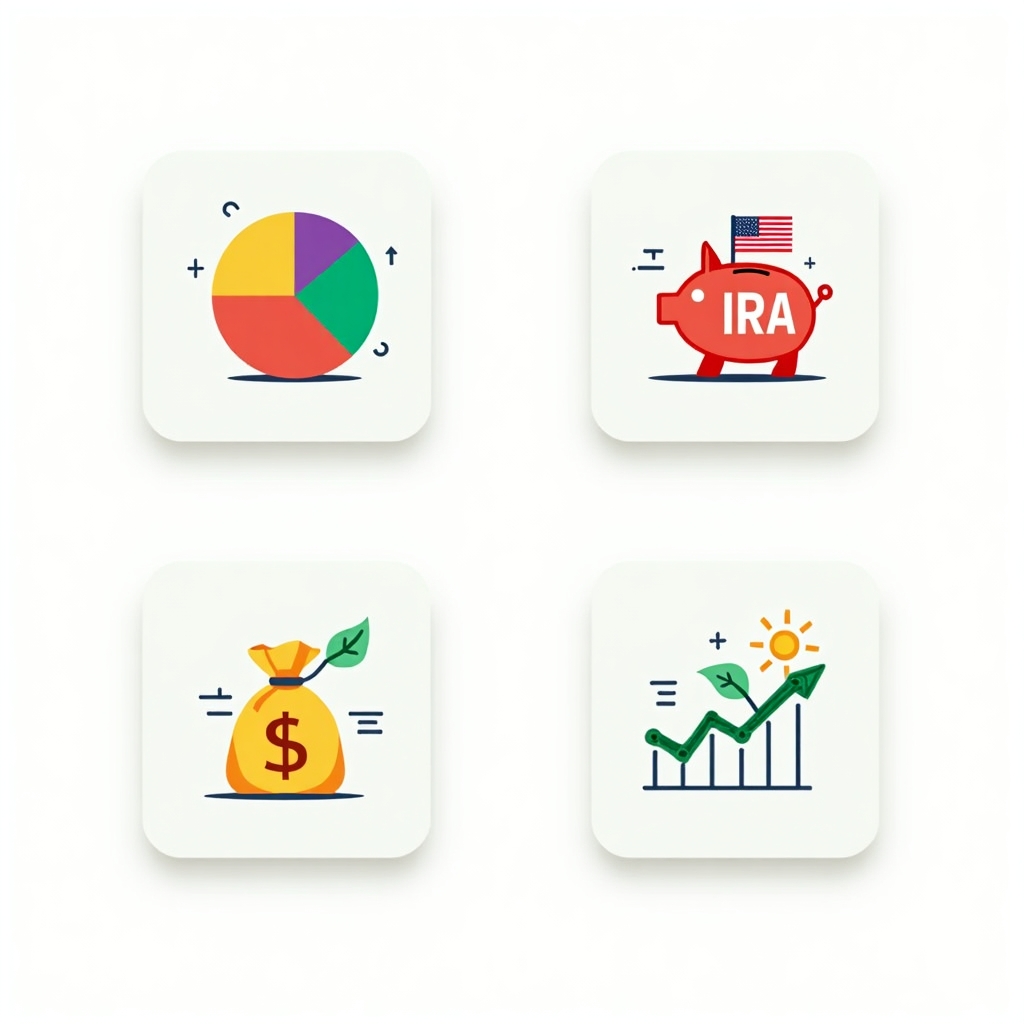
Sure, putting $100 on a list doesn’t look too impressive, but with the right ways to think and act, even this modest sum can work hard to grow your wealth. Here are a few of the top ways to invest $100 for beginners:
Investing in Index Funds
Index fund: A mutual fund that mirrors a market index, such as the S&P 500. They provide virtually instant diversification as well, since your money is spread across hundreds of companies.
Why it’s great for beginners:
Inexpensive and easy to get involved in
Over time, index funds offer slow and steady but long-term growth.
Low effort; good for beginners who’d rather not pick stocks themselves
ETFs for Beginners
Like index funds, ETFs are also made up of a basket of stocks, but they trade on stock exchanges just like individual stocks. They enable you to invest in a basket of assets, whether stocks, bonds or commodities, without having to buy each one separately.
Benefits of ETFs:
they are very liquid and can be traded in & out during market hours
Usually have low fees
Can invest as little as $100 through many online brokers
Fractional Shares Explained
With fractional shares, you can purchase just a piece of a stock, rather than an entire share. That can be helpful if you wish to invest in an expensive company but don’t have enough money to buy a full share.
Example : Without paying $3,000, you can hold a piece by investing $50 — $100.
Why beginners love it:
How to get plenty of shares of expensive stocks without a lot of money
Enables you to diversify with a small sums
High-Yield Savings Accounts
If you’re the cautious sort, you will likely love high-yield savings accounts. The returns do not match those on stocks or ETFs, but they are stable and safe; the interest is better than that on regular bank accounts.
Perfect for:
Emergency savings
Some interest while focusing on midterm goals
Your first $100: A quick-and-easy guide to investing in the stock market and keeping your first investment Portfolio added safely.
Robo-Advisors for Small Investments
Robo-advisors are a kind of algorithmic investing platform that does the dirty work for you on where to put your money with regard to your goals and risk tolerance. They are generally beginner-friendly and often have low minimum investments.
Benefits:
It’s hands off; the platform will invest money for you
Risk-adjusted diversified portfolios
Assists beginners in investing regularly even with small amounts such as $100
Takeaway:
Those who are even further from their goal of investing with just $100 have options, too. Whether you prefer index funds, ETFs, fractional shares, high-yield savings accounts or robo-advisors (again), the key is to start early and keep at it.
Where Can Beginners Invest $100 in the USA?

You might think $100 isn’t enough to get you started but you can easily invest in the U.S. as there are many options for beginners here. Regardless of whether you want to invest the old-fashioned way (in person) or jump in on the app-train, there are plenty of ways to get going with small and even very small sums. Here’s a breakdown:
Online Brokerage Accounts
Online brokers such as Fidelity, Charles Schwab and Robinhood let beginners set up accounts with low or no minimum deposits. The companies available on these platforms are:
Stocks
ETFs
Mutual funds
Bonds
Why it’s good for beginners:
Simple registration and easy to use interface
Educational tools and resources
Fractional shares, which means you can invest as little as $100 and use the rest of your money to buy parts of other stocks, on many platforms
Investment Apps for Beginners
If a beginner is looking, he would want an Acorns or Stash app or someone who sticks with those themes. You can generally begin with little funds, even loose change.
Features for beginners:
Automatic investing: Rounding up change on purchases and invest it
Pre-built portfolios tailored to your risk tolerance
Learning resources to read while you invest
These apps are designed to make investing easy, approachable and consistently invested — things that are just right for a person starting with $100.
Banks vs Investment Platforms
As beginners, they are divided over whether to begin investing via a bank or through a stand-alone investment platform.
Banks:
Safer, but limited growth
Facilitate savings accounts or CDs with low yields generally
Investment Platforms:
Larger growth potential at stocks, ETFs and funds
The latest platforms offer low fees and fractional investing
Better for long-term wealth creation
Pro tip: If you’re looking to get your money to grow a little, bank-style accounts are, as a rule of thumb less effective than investment platforms for smaller sums like $100.
Takeaway:
Newcomers to investing in the USA A beginners guide to investing their first $100. From online brokerage accounts to beginner-friendly apps and platforms, the most important thing is that you find a platform that matches your goals, risk tolerance and comfort level and begin contributing regularly.
Low-Risk vs High-Risk Investment Options
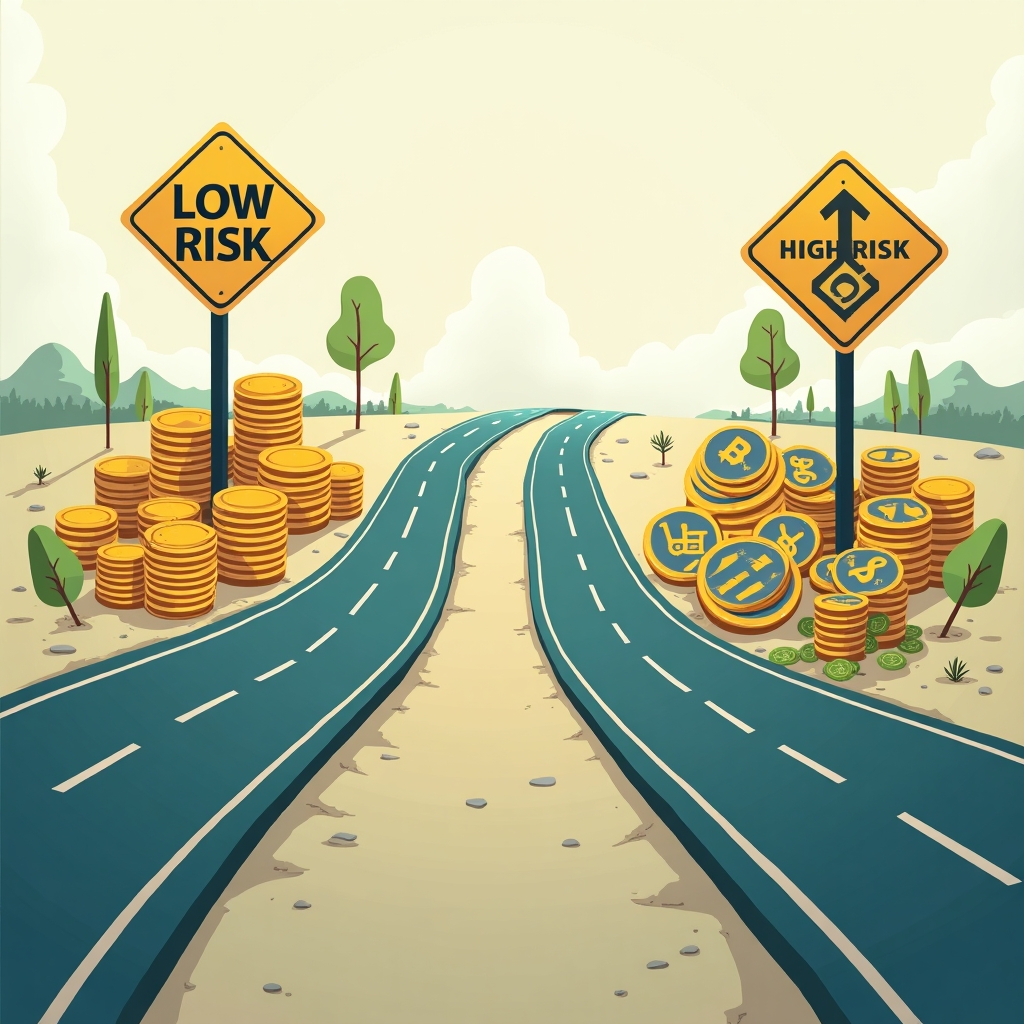
Knowing the difference between low and high-risk options when investing your first $100 is crucial! It will depend on your financial goals, time frame, and risk appetite.
Low-Risk Investment Options
Safe investments have lesser risk, but less profit margin. For the beginner who wants stability and security, they are perfect.
Examples:
High-Interest Savings Accounts: Safe, secure with balances that earn more interest than your average bank account.
Certificates of Deposit (CDs): Allowing your money to be locked up for a set term with predictable interest.
Government Bonds: Backed by the government, these are low-risk bonds offering stable returns.
Index Funds and ETFs (Conservative): Broad market diversified investments with minimum volatility.
Why we like it: Low-risk is good for beginners:
Protects your initial $100 investment
You can practice investing without fear of making a huge mistake
Fit for relatively short goals and developing an emergency fund
High-Risk Investment Options
The higher the risk, the higher potential return but also the greater chance of losing money. These are good for beginners who can tolerate a fair amount of market ups and downs, and have a long-term investment horizon.
Examples:
Individual Stocks: Have potential for rapid growth, but prices can fluctuate.
Cryptocurrency – Cryptocurrency has higher reward potential but is very volatile and unpredictable.
Sector-Specific ETFs: Concentrated in sectors such as tech or biotech, which can be riskier.
Why high-risk can be rewarding:
Chance for more upside later
Instructs on Risk Management and Market Movements
Good for long-term investments when combined with a diversified strategy
Key Takeaway
And for beginners with $100, that’s often the best route. You can mix low-risk options for preservation and small portions in high-risk investments for growth. The idea is to take small steps, to learn from them and slowly build up the amount of risk you can tolerate as you gain more comfort.
Common Mistakes Beginners Make When Investing $100
Investing with $100 for the first time is certainly an exciting thing to do, but beginners often make mistakes that can cost money, limit growth or even lead to big losses. Understanding these pitfalls may allow you to invest smarter from the start.
Not Doing Enough Research
Many novices buy stocks, ETFs or apps without knowing what they are doing. Tip: Remember that before purchasing or investing, you should always do your own research and check reviews. Never invest money that you are not prepared to lose.
Chasing “Hot Stocks” or Trends
It can be tempting to follow the hype or trend especially on social media or in financial news. Investing in hot stocks without a plan can lead to failure.
Tip: Look to long-term growth and diversity of investments, rather than short-term excitement.
Ignoring Fees and Hidden Costs
Trading fees, management fees and account charges can all chip away at your tiny $100 investment. At this point, even a minor fee can have a major impact on returns.
Pro tip: Find platforms with low or, better yet, no fees when you are starting small.
Putting Money You Might Need Shortly into Investments
Risk: two to Risking money needed for emergencies or short-term expenses. The market jitters and sways can diminish the value of your investment at just the time when you need it most.
Tip: Establish a rainy day fund first and invest only what you can leave untouched for the long-term.
Lack of Patience and Consistency
Some novices unrealistically hope for immediate results and sell early when their investments go up or down. Others invest irregularly, rather than consistently.
Tip: Stay the course, and with patience, your $100 will grow over time. Regular contributions will magnify the power of compounding.
Takeaway:
By not making these first-timer mistakes, beginners can make the most out of their initial $100 investment and let it grow. Having an early lesson in making mistakes helps to develop confidence and knowledge, but also the habit of investing.
How Long Should You Stay Invested With $100?
A question I see people asking, particularly people who are new to investing is: “How long should I hold onto my $100 for? The answer to your question will depend on your goals, but in general, the longer you hold an investment can lead to greater potential growth.
Think Long-Term
Nothing beats investing for the long term. The stock market and other investments can go up and down daily, but historically they rise. 5, 10 or even 20 years into the future. It’s during all those years between when your savings get deposited and when you make a withdrawal that your money gets to grow on itself and take advantage of positive market cycles.
Avoid Frequent Selling
Inexperienced investors tend to panic when markets pull back and sell too soon. That can lock in losses and hinder growth.
Tip: Think of your $100 as a long-term experiment, not an immediate way to make money.
Consistency Matters
This is not just about the $100 that happened at first. By depositing small amounts on a regular basis, even $10 to $50 each month, you can significantly boost your returns over time. And patience mixed with consistency is actually the biggest secret to long term success!
Monitor, But Don’t Overreact
Keep an eye on your investments from time to time, but don’t react based on short-term market moves. Think in years, not days.
Takeaway:
Even for $100, time in the market beats timing the market. Invest for the long haul, wait it out and consistently put in those small sums of money to allow that growth potential.
How to Grow $100 Into More Money Over Time
Putting your first $100 to work is easy, but it’s a very big deal. The actual objective is to slowly grow it. Even just a small amount can become amazing wealth if you follow the right principles and are consistent.
Take Advantage of Compounding
To compound is for your investment earnings to begin earning some earnings of their own. Take $100 that grows 5 percent: Next year, instead of earning interest on its original investment of 100, you earn it on 105. Over time, compounding can help you exponentially grow your money without having to contribute any more.
Reinvest Earnings and Dividends
If your investments generate dividends or interest, reinvesting it rather than spending it will help set new snowball layers rolling up to growth that much faster. This means your $100 grows a little bit faster over all those years.
Add a Small Amounts daily
Consistency is a key of success. Even a $10 — $50 addition per month to your $100 investment adds up over time, which can help you make a small start turn into a more substantial portfolio.
Diversify Your Investments
The key is to spread your money among various investments — such as stocks, ETFs and savings accounts — in order to mitigate risk and maximize growth potential. Diversification is not putting all of your $100 into one investment, so that when it goes under you’re wiped out.
Be patient, and don’t just panic in the short term.
Market fluctuations are normal. You should not withdraw your money during short-term time corrections. Patience enables your money to compound reliably and ride long-term trends.
Takeaway:
With as little as $100, however, you can begin investing now and build wealth over time by harnessing compounding, reinvesting those earnings over many years and decades, contributing incrementally and diversifying — provided you also invest with patience. The point is to begin small, remain consistent and let time be on your side.
Is Investing $100 Worth It? (Realistic Expectations)
Many novice investors think that investing only $100 is not worth it. The fact is yes — but with reasonable expectations. And while $100 isn’t enough to make you rich overnight, it can lay the foundation for long-term financial growth and education.
The Destination is Learning, Habit The goal, of course, isn’t the playlist.
It’s not really about getting rich right away — that may or may not happen. Instead, it’s an opportunity to get a sense of how investing works and gain some personal investment experience without a bunch of skin in the game.
Learning how investing works
Understanding market behavior
Cultivating the practice of consistent investing
Yet these are all skills, and habits, far more valuable than the initial sum in your account that they were derived from.
Long-Term Growth Potential
And a baby investment can blossom into oodles of money, mostly because of its time and compound interest. For instance, a $100 investment generating an average 7% annual return can swell significantly if you continue to add to it over many years.
Managing Expectations
It’s important to remember:
You’re not going to become a millionaire from $100
Investments are volatile, short-term declines are not unusual
But the real payoff is to begin early and keep it up.
With modest expectations you’ll save yourself frustration and be motivated to keep investing.
A Tiny Step Toward Much Bigger Goals
A $100 investment is a start. In time, adding more and learning how to manage the risk and diversify will let you grow into a bigger portfolio. Every millionaire investor started with a small first step, like this.
Takeaway:
It is well worth it to invest $100, not for the wealth overnight but for learning, building financial habits and getting started on the road to long-term value appreciation. The sooner you begin, the more time your money has to compound and grow.
Tips to Stay Consistent as a Beginner Investor

One of the greatest habits you can develop to increase your investment accumulation is consistency, and that’s regardless if you’re only dealing with, let’s say $100. Consistent, disciplined investing can grow a modest base into great wealth over time. Read on for tips to keep beginners consistent:
Set a Regular Investment Schedule
Choose in what frequency you would like to invest — weekly, every other week or monthly. Automating your contributions is a do-or-don’t method to donate money without even considering about it each time.
Start Small and Gradually Increase
Even pocket change, $10–$50 a month weighs over time. Once you become comfortable with the process, start to increase your contributions little by little in order to grow your portfolio faster.
Automate Your Investments
Some investment apps and platforms offer the option to automatically transfer funds into your investment account. With automation, you’ll save yourself the temptation to skip a month and keep your growth constant.
Focus on Long-Term Goals
Keep your eye off of day-to-day market price movement. Stay focused on your long-term financial goals and refrain from selling during temporary slumps.
Track Your Progress
Periodically observe your investments as they grow and learn. Tracking Motivation Tracking motivated you, and if nothing is happening, then you adjust.
Avoid Emotional Decisions
Markets can be volatile, and new investors sometimes make decisions based on fear or excitement. Stay disciplined, resist panic selling and believe in the compounding of gains.
Takeaway:
Being consistent, patient and disciplined is more important than the initial amount that you invest. By making a schedule, automating contributions and thinking about long-term goals, $100 could grow over time — even if it doesn’t start out large.
Can beginners lose money investing $100?
Yes, you can lose money, including in stocks, ETFs or cryptocurrencies. Market movements may cause the value of your investment to decrease in the short term. But beginning with, say $100 low mitigates risks and losses can be made up for over time through patience and intelligent investing.
Which one is the safest investment for beginners?
Some of the best investments you can make as a beginner are typically:
High Yield Savings Accounts – low risk, consistent interest
Certified of Deposits (CDs) – guaranteed interest over time
Government Bonds – safe and reliable yields.
Index Funds or ETFs with diversification – a bit risky but historically good in growth
These choices shield your money, while allowing a little bit of growth
Can I invest $100 monthly?
Absolutely! Monthly $100 is good habit and it gets compounded to bigger portfolio over time. And regular contributions, no matter how small, help maximize growth and take advantage of dollar-cost averaging, which minimizes the impact of market volatility.
Is investing better than saving?
It depends on your goal:
Saving is good for short-term or emergency needs because it’s low-risk and liquid.
Investing is preferable for long-term wealth creation because it can provide larger potential returns, even if there is also possible risk.
For most people, a combination of both — maintaining an emergency fund in savings while investing monthly — makes the best sense.
Final Thoughts: Your First Step Toward Investing
investing it might not seem like much, but it’s a steppingstone that can help you turn into the wealthy person you want to become. It’s not just about the number — it’s about getting into the habit early, understanding how to use money and establishing responsible financial patterns.
Key Takeaways for Beginners:
Start Small, Start Now – You can learn a lot about investing by doing just $100 worth.
Keep It Up – Small contributions are the way to build over time.
Be a Long-term Thinker – Be patient and have time in the market, rather than trying to make a quick buck.
DIVERSIFY FOR RISK MANAGEMENT – Split between low and high risk to protect your investment.
Learn – Take your initial investment as a schooling opportunity in markets, platforms and strategy.
Keep in mind, every successful investor took that first little step. By investing $100 in this way now, it’s possible to reap the dividends many times over with a lifetime of good financial decisions. The key is getting an early start and continuing to maintain consistency, she said.
 farhan ahmed